SEVA – Always Willing to Help
One Community. One Humanity. One Purpose.
Seva is about bringing people together through kindness, compassion and selfless service.
Inspired by the teachings of Guru Nanak Dev Ji, our community group believes in oneness, equality and helping others without expecting anything in return.
Our aim is to support the elderly, vulnerable individuals, families and anyone facing difficulties in their daily lives. Whether someone needs food, companionship, help completing forms, emotional support, or guidance towards health, housing and other essential services, we want to help where we can.
We believe nobody should feel alone or forgotten. By working together, sharing our skills and looking out for one another, we can build a stronger, more caring community where everyone feels valued and supported, regardless of their background, religion or circumstances.
🤝 Be Part of Seva
You don't need special skills to make a difference—just a willingness to help.
💛 Volunteer your time
🍲 Support food and essential-item drives
🧓 Help the elderly and vulnerable
🤝 Share your skills or partner with us
🌍 Help bring our community together
🙏 Want to Make a Difference?
Join us in making kindness a way of life.
If you share our vision and would like to get involved, please complete the form below to register your interest. Every helping hand counts, and together, we can make a real difference.
“Seva is not just an act of kindness; it is a way of life.”
Dementia & Alzheimer's Disease
Dementia and Alzheimer's disease are common health conditions among older adults. They can affect memory, thinking, communication, and behaviour, making everyday activities more challenging. Recognising the early signs and seeking medical advice can help people access the right care and support.
Support available: Your GP can refer you to a local memory clinic or specialist service for assessment and advice. The Alzheimer's Society offers support through its helpline on 0333 150 3456. Age UK also provides helpful information and guidance for people living with dementia and their families.
High Blood Pressure (Hypertension)
High blood pressure is a common condition in older adults and is often referred to as a "silent killer" because it usually causes no noticeable symptoms. If left untreated, it can increase the risk of serious health problems, including strokes and heart disease.
What can help:Many pharmacies offer blood pressure checks, although availability and charges may vary. Maintaining a balanced diet, exercising regularly, reducing salt intake, and taking prescribed medication can help control blood pressure and reduce the risk of complications.
Arthritis, Osteoarthritis and Osteoporosis
Arthritis and osteoarthritis can cause joint pain, swelling, and stiffness, making movement and daily activities more difficult. Osteoporosis is another common condition in later life that weakens the bones and increases the likelihood of fractures, particularly after a fall.
Practical help and support: An occupational therapist can recommend equipment to make everyday tasks easier and safer, such as jar openers, perching stools, and walking aids. Your GP or local council can advise you about accessing an assessment and any available equipment. Age UK also offers advice on managing joint pain and maintaining independence at home.
Falls and Balance Problems
Falls are a significant concern for older people, particularly those aged 65 and over. Poor balance, reduced muscle strength, eyesight problems, and certain medications can all increase the risk of falling. Falls may lead to injuries and can affect a person's confidence and independence.
Prevention and support: Regular strength and balance exercises can help improve stability and reduce the risk of falls. Age UK provides advice on making the home environment safer, while the NHS offers exercises designed for older adults. Local councils may also provide home safety assessments and information about personal alarms to help people remain safe and independent.
Coronary Heart Disease
Coronary heart disease develops when the blood supply to the heart becomes restricted, often because fatty deposits build up in the arteries. The condition becomes more common with age and may cause chest pain, breathlessness, or other heart-related symptoms. Some people may also develop heart failure as a result of heart disease.
Support available: Your GP can provide advice on managing the condition, reviewing medications, and making lifestyle changes. Depending on your needs, you may also be referred to a cardiac rehabilitation programme to improve heart health, build confidence, and support recovery.
COPD (Chronic Obstructive Pulmonary Disease)
COPD is a long-term lung condition that makes breathing more difficult. Common symptoms include persistent coughing, breathlessness, wheezing, and repeated chest infections. Although smoking is the main cause, COPD can also develop due to other environmental and occupational exposures.
Managing the condition:Support from a GP or respiratory specialist can help people manage their symptoms and use inhalers correctly. Breathing exercises, physical activity suited to individual abilities, and stopping smoking where relevant may also help. Eligible older adults can access NHS flu and pneumococcal vaccinations, which help protect against certain respiratory infections.
Type 2 Diabetes
Type 2 diabetes is a long-term condition that affects how the body regulates blood sugar levels. The risk increases with age, and if the condition is not well controlled, it can lead to complications affecting the heart, kidneys, eyes, and nerves.
Treatment and support: Managing type 2 diabetes often involves eating a balanced diet, staying physically active, monitoring blood glucose when advised, and taking prescribed medication. Regular appointments with your GP or diabetes care team are important for checking blood sugar levels and identifying potential complications early.
Vision and Hearing Loss
Changes in eyesight and hearing are common as people grow older. Conditions such as cataracts and glaucoma can affect vision, while age-related hearing loss may make conversations and everyday communication more difficult. These changes can sometimes develop gradually, meaning people may not immediately recognise that they need help.
Available support:People aged 60 and over are generally entitled to free NHS sight tests in England. Anyone experiencing hearing difficulties can contact their GP or local NHS audiology service for advice and assessment. NHS hearing aids are available free of charge when provided through NHS services, subject to clinical assessment.
Urinary Incontinence
Urinary incontinence is the accidental leakage of urine and can affect people of different ages, although it becomes more common as people get older. It may be caused by changes in bladder function, weakened pelvic floor muscles, certain medical conditions, or medication. Despite being common, many people feel uncomfortable discussing the problem.
Treatment and support: A GP can help identify the underlying cause and recommend suitable treatment. Depending on the individual's needs, support may include pelvic floor exercises, bladder training, medication, or referral to a specialist continence service. Absorbent products may also be recommended where appropriate. Seeking professional advice can help improve comfort, confidence, and quality of life.
Mental Health Support
The NHS website provides reliable information about mental health conditions, available treatments, and ways to access support.
Emergency and Urgent Support: If someone is experiencing a life-threatening emergency, call 999 or go to the nearest A&E department. If you need urgent mental health support but it is not a life-threatening emergency, call 111 for advice and assistance.
Samaritans Help
Provides free, confidential emotional support 24 hours a day, seven days a week. You can call 116 123
Emergency and Urgent Support: If someone is experiencing a life-threatening emergency, call 999 or go to the nearest A&E department. If you need urgent mental health support but it is not a life-threatening emergency, call 111 for advice and assistance.
Stress
Stress is the body's natural response to pressure or challenging situations. However, when stress becomes overwhelming or continues for a long time, it can affect sleep, mood, physical health, and the ability to manage everyday activities. Although stress is a normal part of life, recognising the signs early can help prevent it from becoming more difficult to manage.
Support available: Making time for relaxation, maintaining a healthy lifestyle, talking to someone you trust, and learning to set boundaries can all help reduce stress. If stress begins to affect your daily life or feels difficult to manage, your GP can provide advice and discuss suitable support options.
Generalised Anxiety Disorder (GAD)
Generalised anxiety disorder is a mental health condition that causes persistent and excessive worry about different aspects of everyday life, such as health, work, relationships, or finances. Unlike ordinary worries, this anxiety can be difficult to control and may affect daily routines. Common symptoms include restlessness, irritability, tiredness, difficulty concentrating, feeling constantly on edge, and problems sleeping.
Support available: Talking therapies, particularly cognitive behavioural therapy (CBT), can help people understand their anxiety and develop strategies to manage their worries. In England, you can often refer yourself directly to NHS Talking Therapies without needing a GP referral.
Depression
Depression is a mental health condition that can cause ongoing sadness, low mood, and a loss of interest or enjoyment in activities that a person previously found pleasurable. It can affect thoughts, emotions, energy levels, sleep, and the ability to carry out everyday tasks. Depression is not a sign of weakness, and people should not feel that they have to cope with it alone. With the right treatment and support, recovery is possible.
Support available: Your GP can discuss treatment options, which may include talking therapies, medication, or a combination of both, depending on your individual needs. Support from friends, family, and mental health professionals can also play an important role in recovery.
Panic Disorder and Panic Attacks
A panic attack is a sudden episode of intense fear or anxiety that can occur unexpectedly or in response to a particular situation. Physical symptoms may include a racing heartbeat, sweating, trembling, breathlessness, chest discomfort, dizziness, and a feeling of losing control. These experiences can be frightening, even when there is no immediate danger. Panic disorder occurs when someone experiences repeated panic attacks and develops an ongoing fear of having further episodes.
Support available: Panic attacks and panic disorder can be managed with appropriate treatment and support. Talking therapies, including CBT, can help people understand their symptoms, identify triggers, and develop techniques to manage anxiety. Your GP can advise you on suitable treatment options and additional support.
Wear Seva. Spread Kindness. Make a Difference. ❤️
Support our Seva community by purchasing our range of merchandise, including hoodies, T-shirts, keyrings, and pens. Every purchase helps us raise awareness of our mission to support people in need.
100% of the profits from our merchandise sales go towards charitable donations. No wages, personal expenses, or community running costs are deducted. Every penny of profit is dedicated to helping those who need it most.
By wearing or using our merchandise, you're not only supporting a good cause but also helping spread the message of Seva — selfless service, kindness, and compassion.
Every purchase counts. Every act of kindness matters. Together, we can make a difference.

Hoodies

T shirts
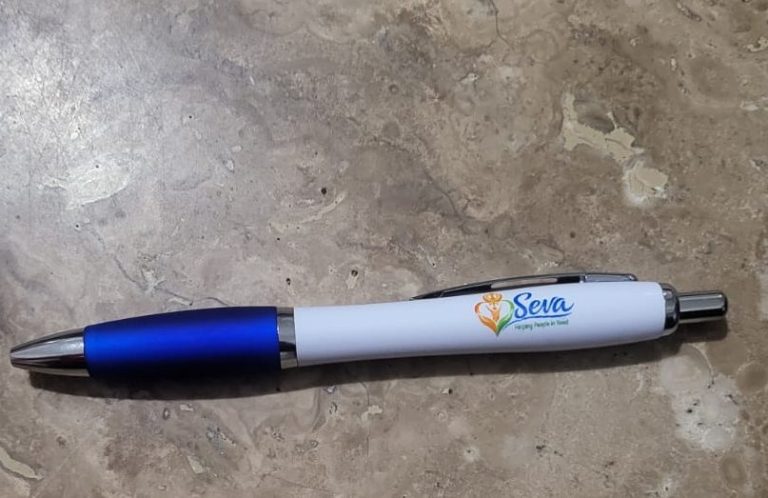
Pens